Best Food Delivery Apps in London: The Complete 2026 Guide


Last updated: May 2026 | Written by Corrina Pinsent — London Relocation expert with first-hand knowledge of the city’s delivery scene.
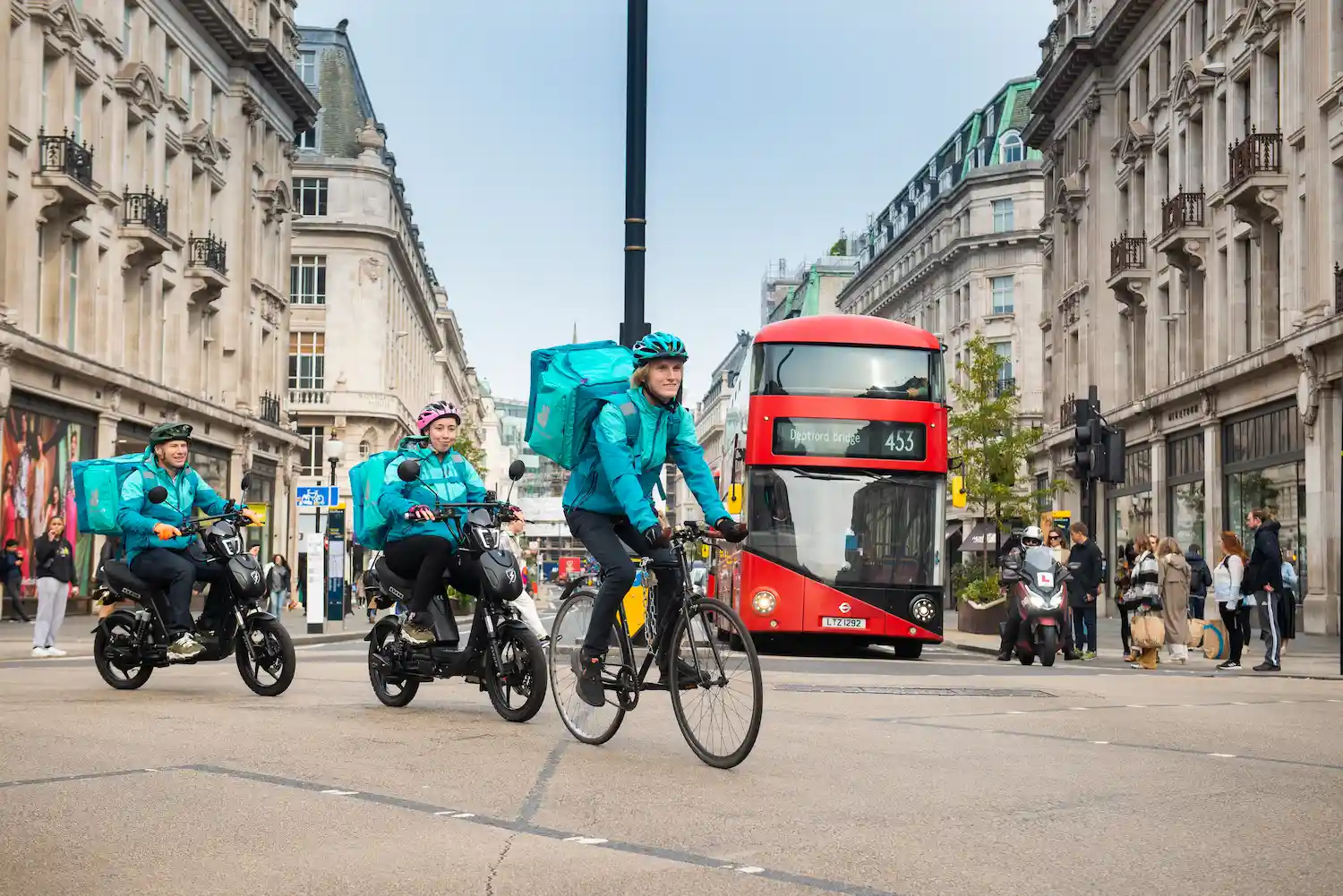
London is the food delivery capital of the UK with 21% of all UK delivery orders happening in London alone.
The best food delivery apps in London in 2026 are:
- Uber Eats (best for speed and coverage)
- Deliveroo (best for premium restaurants)
- Just Eat (best for traditional takeaways)
- Ocado and supermarket apps (best for groceries)
The city is home to a staggering range of options — from specialist services for groceries as well as restaurant meal kits. This guide compares the best food delivery apps in London in 2026: what each one does well, how their subscriptions compare, what they actually cost, and which app is best for different situations.
Everything here reflects the current market as of 2026, including the major shakeups of the past two years — most notably the collapse of the ultra-rapid delivery sector and Amazon’s exit from physical grocery stores.
What’s Changed in London’s Food Delivery Scene in 2026
The food delivery landscape in London looks different today than it did just a couple of years ago. Here’s what’s changed:
- The “10-minute delivery” era is over. Getir and Gorillas, the rapid-delivery apps that dominated London during the pandemic, both exited the UK in mid-2024. The aggressive business model of delivering groceries from dark stores in under 15 minutes proved unprofitable and unsustainable.
- Amazon Fresh physical stores have closed. Amazon shut all 19 of its London Amazon Fresh stores in early 2026, replacing them with an expanded online grocery service and new Whole Foods Market locations.
- Just Eat changed hands. In October 2025, Just Eat Takeaway was acquired by Prosus for €4.1 billion and delisted from the stock market, with a new CEO taking over in January 2026. The brand and service continue operating as normal.
- Subscription delivery is now the default. Deliveroo, Uber Eats and Just Eat all push monthly subscriptions for “unlimited free delivery” — and frequent users can save real money if they pick the right tier.
- Meal kit services have grown into a serious alternative. Gousto, HelloFresh and Mindful Chef now deliver to nearly every London postcode, offering a middle ground between takeaway and cooking from scratch.
- Sustainability matters more. Around 43% of UK consumers say they’d pay more for takeaways from restaurants with visible sustainability practices, and platforms are responding with eco-friendly packaging options, plant-based filters, and carbon-offset programmes.
Quick Comparison: The Main Food Delivery Apps in London
Before we dive into detail, here’s how the main London food delivery apps compare at a glance:
Which app should I use? — A breakdown of Uber Eats, Deliveroo and Just Eat
Three apps dominate restaurant delivery in London, and together they account for the majority of orders across the city. If you’re new to London, these are the three apps to install first!
Uber Eats
 Uber Eats overtook Just Eat as the UK market leader in 2024 and has kept growing since, especially in London. The same Uber app that gets you a ride will order your dinner, and if you already have an Uber account, you’re one tap away from ordering food. Delivery times are fast — typically 15 to 35 minutes in central London — and the restaurant selection is huge, covering everything from fast-food chains to independent neighbourhood spots.
- Strengths: Fast delivery, excellent mobile app experience, wide restaurant coverage, integration with Uber rides through the Uber One subscription, strong grocery and convenience store partnerships.
- Weaknesses: Delivery fees and service charges can stack up quickly without a subscription. Pricing on the app is sometimes marked up compared to the restaurant’s in-store menu.
- Subscription: Uber One costs from £5.99/month and gives you £0 delivery fees on orders above a minimum spend, 5% off eligible restaurant orders, and benefits that also cover Uber rides. This gives the app excellent value if you already use Uber for transport. For frequent users, the subscription usually pays for itself within a few orders.
Deliveroo
 Deliveroo was founded in London in 2013 and still feels the most distinctly “London” of the big three. Its restaurant roster leans upmarket, with strong coverage of premium and mid-range restaurants that often don’t list anywhere else. If you want to order from somewhere that doesn’t usually do delivery — Deliveroo is often the only option.
Deliveroo also runs Editions, its network of dark kitchens where popular restaurants cook meals specifically for delivery with no dine-in storefront, which means faster service and fresher food for some brands.
- Strengths: Best coverage of premium and independent restaurants, strong grocery partnerships (including Waitrose, Sainsbury’s, M&S and Morrisons), reliable delivery tracking and excellent app experience.
- Weaknesses: Not always the cheapest, particularly without a subscription. Coverage in outer London boroughs is less comprehensive than Uber Eats or Just Eat.
- Subscription tiers in 2026: Deliveroo now offers three tiers of its Plus membership:
Insider tip: If you have an Amazon Prime membership (which many expats already use for shopping and Prime Video), you get Deliveroo Plus Silver free for 12 months. Activate it at deliveroo.co.uk/amazon-prime — it’s one of the best deals in London if you’re a Prime member.
Just Eat
 Just Eat is the veteran of UK food delivery, with the largest overall network of restaurants and the deepest coverage of traditional independent takeaways — the local curry house, the corner chippy, the late-night kebab shop. If Uber Eats and Deliveroo are where you find trendy restaurants, Just Eat is where you find the beloved local takeaway that’s been running for 30 years.
- Strengths: The widest restaurant network, particularly strong on traditional takeaways and chains. Often cheaper than Deliveroo or Uber Eats for the same restaurant because Just Eat typically allows restaurants to do their own delivery.
- Weaknesses: Delivery speeds and quality vary more than on Deliveroo or Uber Eats, because many orders are delivered by the restaurant’s own staff rather than Just Eat couriers. The app experience is functional but less polished.
- Subscription: Just Eat’s “Golden Years” discount club and occasional promotional subscription tiers appear periodically. Check the app for current offers — these change more often than Deliveroo or Uber Eats subscriptions.

 Deliveroo was founded in London in 2013 and still feels the most distinctly “London” of the big three. Its restaurant roster leans upmarket, with strong coverage of premium and mid-range restaurants that often don’t list anywhere else. If you want to order from somewhere that doesn’t usually do delivery — Deliveroo is often the only option.
 Just Eat is the veteran of UK food delivery, with the largest overall network of restaurants and the deepest coverage of traditional independent takeaways — the local curry house, the corner chippy, the late-night kebab shop. If Uber Eats and Deliveroo are where you find trendy restaurants, Just Eat is where you find the beloved local takeaway that’s been running for 30 years.
Specialist and Niche Delivery Services
Beyond the big three, there are several specialist services worth trying — especially if you have specific needs like groceries, healthy eating, or cooking at home.
Foodhub
 Foodhub takes a different approach from the big aggregators: it charges restaurants a flat monthly fee instead of a percentage commission on each order. This means the same meal is often cheaper on Foodhub than on Deliveroo or Uber Eats — and Foodhub passes some of that saving on through lower delivery fees. Coverage is strongest for traditional takeaways and outer London areas, making it a good backup when the big apps aren’t giving you the deal you want.
Ocado
 The UK’s leading online-only supermarket, Ocado isn’t a takeaway service but deserves a mention. If you want groceries delivered in a one-hour time slot of your choosing, with an enormous range including M&S food products, Ocado is unbeatable. The Ocado Smart Pass subscription (from £7.99/month) gives free delivery on orders over a threshold, making it worthwhile for weekly shoppers.
Gousto and HelloFresh

 Meal kit services have become a serious alternative to both cooking from scratch and ordering takeaway. You pick recipes for the week, and the service delivers pre-portioned ingredients and step-by-step instructions. A typical meal works out at around £3–£5 per person, significantly cheaper than takeaway and often healthier.
- Gousto— The largest UK meal kit service with the widest recipe variety (around 75 new recipes each week). Strong on customisation for diets like vegetarian, low-calorie and gluten-free.
- HelloFresh UK— International brand, reliable ingredient quality, straightforward recipes aimed at beginner cooks.
- Mindful Chef— Premium option with a focus on healthy, low-calorie, gluten-free and higher-protein recipes. More expensive but loved by fitness-conscious Londoners.All three offer first-order discounts (often 50% or more) if you’re willing to sign up for a recurring subscription. You can pause or cancel between weeks, so they’re flexible — but remember to skip weeks if you don’t want a delivery.
Supermarket Grocery Apps
All the major UK supermarkets now have their own grocery delivery apps and websites: Tesco, Sainsbury’s, Asda, Morrisons and Waitrose all deliver to most London postcodes. For a proper weekly shop, these are usually cheaper than ordering groceries through Deliveroo or Uber Eats, and you can use loyalty card pricing (Tesco Clubcard, Sainsbury’s Nectar) online just as you do in store.
Each supermarket also offers a delivery subscription — Tesco Delivery Saver, Sainsbury’s Delivery Pass, Asda Delivery Pass — for around £5–£10 per month that covers all delivery fees, which works out cheaper than paying per order if you shop online weekly.
 Foodhub takes a different approach from the big aggregators: it charges restaurants a flat monthly fee instead of a percentage commission on each order. This means the same meal is often cheaper on Foodhub than on Deliveroo or Uber Eats — and Foodhub passes some of that saving on through lower delivery fees. Coverage is strongest for traditional takeaways and outer London areas, making it a good backup when the big apps aren’t giving you the deal you want.
 The UK’s leading online-only supermarket,
 Meal kit services
Which App Is Best for Different Situations?
Each app has strengths for different needs. Here’s a quick guide to which to use when:
How Much Does Food Delivery Actually Cost in London?
One of the things that surprises newcomers is how much extra a food delivery order costs compared to the menu price. Here’s what you’re actually paying for on a typical London takeaway order:
- Menu markup— Some restaurants charge 10–15% more on delivery apps than their in-store prices. This isn’t always visible, but it’s common.
- Delivery fee— Typically £1.99–£4.99 depending on distance, time of day, and demand. London “surge” pricing applies on Friday evenings and weekends.
- Service fee— A percentage of your basket, usually 5–15%. On Deliveroo, this is capped at 99p for Plus members.
- Small order fee— A £1–£2 charge applied to orders below a minimum threshold (usually around £10).
- Tip— Optional, but appreciated by riders who earn modest wages and rely on tips to supplement income.
Save money on takeaway in London with a subscription
For a typical £15 restaurant order, you might end up paying £21–£24 after all these extras. That’s why subscriptions like Deliveroo Plus or Uber One can genuinely save money if you order more than a couple of times a month — they eliminate delivery fees and cap service charges.
Which Food Delivery Service Is Cheapest in London?
There’s no single “cheapest” app because prices vary by restaurant, time and order size. That said, here’s the general pattern:
- For traditional takeaways and independent restaurants: Just Eat is usually cheapest, because restaurants often do their own delivery and pay lower commissions.
- For premium restaurants: Deliveroo often has the best prices and selection, despite the premium positioning.
- For chains and fast food: Uber Eats is usually competitive and fastest.
- For cook-at-home meals: Gousto or HelloFresh (with first-order discounts applied) work out cheaper per meal than any takeaway.
- For groceries: Ordering direct from your supermarket’s website beats ordering groceries through a delivery app almost every time.
Pro tip: If you care about the total cost, it’s worth comparing the same restaurant across two or three apps before ordering — prices and fees can vary by several pounds for an identical meal.
Tips for New Arrivals and Expats
After helping clients settle into London for years, we’ve noticed the same few surprises come up again and again around food delivery. Here’s what’s worth knowing:
- You’ll need a UK-issued card to order. Most delivery apps work with international cards in theory, but in practice, a UK debit or credit card (from Monzo, Starling, Revolut, or a traditional bank) gives you the smoothest experience. Expect some international cards to be rejected at checkout.
- Tipping is not mandatory, but welcome. Unlike the US, tipping isn’t automatic on UK delivery apps — you can skip it without offence. That said, couriers earn modest per-delivery rates, and a £1–£3 tip in bad weather is appreciated.
- Check postcodes carefully when you move. Coverage varies massively between postcodes. A flat in Zone 2 will have dozens of Deliveroo options; the same flat in Zone 5 might have far fewer. This is worth checking before you commit to an area if delivery is important to you.
- Friday evenings get busy. Delivery times and fees both increase during London’s peak demand periods — typically 6–9 PM on Fridays, Saturdays and around major events. Order earlier if you can, or pick an app that uses its own couriers (Uber Eats, Deliveroo) rather than relying on restaurant delivery.
A Note on Sustainability in 2026
Food delivery has a real environmental footprint, and consumer awareness is shifting fast. Around 43% of UK consumers now say they’d pay more for takeaways from restaurants with visible sustainability practices. In response, all three major apps have introduced features to support greener choices:
- Plant-based filters— All major apps let you filter for vegetarian, vegan or low-meat options, which typically have a lower carbon footprint.
- Reusable packaging initiatives— Some London restaurants and apps are experimenting with returnable container schemes, though these remain limited.
- Local and independent restaurants— Shorter delivery distances (which means faster orders and lower emissions) favour choosing local options over chains.
- Too GoodTo Go — Not a traditional delivery app, but worth mentioning: this app lets you buy discounted surplus food from restaurants, bakeries and cafes at the end of the day. It’s massively popular in London, genuinely reduces food waste, and a “surprise bag” typically costs just £3–£5.
Frequently Asked Questions (FAQ
What is the best food delivery app in London?
Is Deliveroo Plus worth it?
Which food delivery app is cheapest in London?
Do Deliveroo and Uber Eats still operate in London in 2026?
What happened to Amazon Fresh in London?
Can I use food delivery apps without a UK bank account?
Are meal kits like Gousto cheaper than takeaways?
Settling In to London?
Sources used in this article:
- https://www.lumina-intelligence.com/blog/foodservice/uk-food-delivery-market-growth-share-size-statistics-2025/
- https://www.foodmanufacture.co.uk/Article/2024/04/29/Getir-and-Gorillas-exiting-UK-with-1-500-jobs-at-risk/
- https://www.foodnavigator-usa.com/Article/2026/01/28/amazon-closes-all-amazon-fresh-and-go-stores-in-us-uk
- https://newsroom.justeattakeaway.com/en-WW/258543-just-eat-takeaway-com-announces-leadership-transition-ceo-jitse-groen-to-step-down-to-be-succeeded-by-roberto-gandolfo/